
For GoTriangle, GoRaleigh, GoDurham & GoCary
Write a detour alert once.
Every rider hears about it.
Staff describe what's happening in plain words. The hub posts it to the agency website, emails riders on those routes, and sends it to Google Maps, Apple Maps, Transit and Umo, in English and the seven other languages in GoTriangle's language plan.
Or of the screen.
Working prototype. Nothing is actually sent. Subscriber names and counts are sample data; routes are real.
What riders see in their map apps right now
Live from each agency's public alerts feed, the same feed Google Maps, Apple Maps and Transit read.
Checking the live feeds…
How it works
-
 1
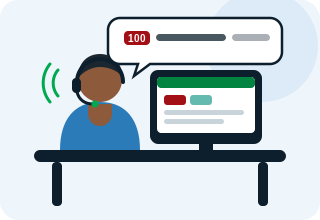
Staff say what happened
Typed or spoken, in everyday words. The assistant drafts the alert in English and Spanish for staff to check.
-
 2
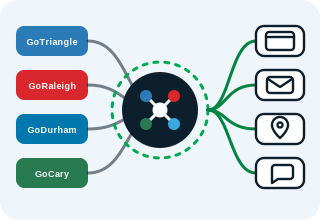
One hub for all four agencies
It reads each agency's own routes from TripSpark, Clever and Avail, so nothing changes in the systems they already use.
-
 3
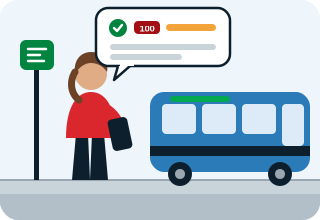
Every rider hears about it
On the agency website, by email, in Google Maps, Apple Maps, Transit and Umo, and by text if the agency turns it on.
Write an alert
Staff viewAll languages
Alert details (check or edit before publishing)
In production an AI model drafts the translation; staff review it before publishing.
Live alerts
Update an alert as things change, or end it when service is back to normal.
On the agency website
Public viewWhat riders get
Rider viewLive buses, with alerts on the map
Real bus locations from each agency's public feed, updated every 30 seconds. Buses on a route with a live alert are ringed in red, so staff can see who an alert reaches and riders can see if their bus is affected.
Loading live bus positions…
List of buses by route
Would this work for your team?
Tell us what you'd change, what's missing and how alerts work today. Two minutes, and it shapes what we build.